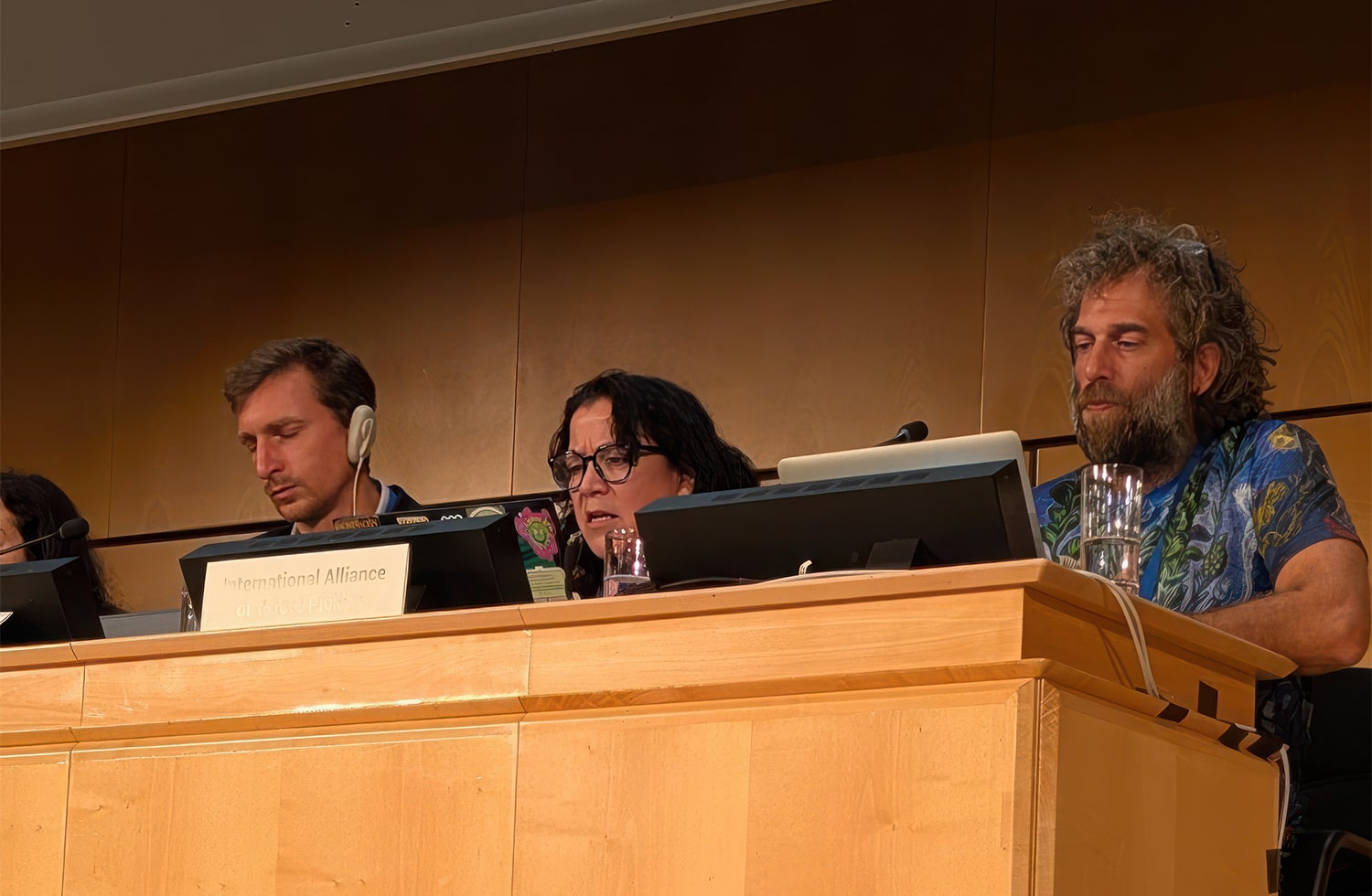
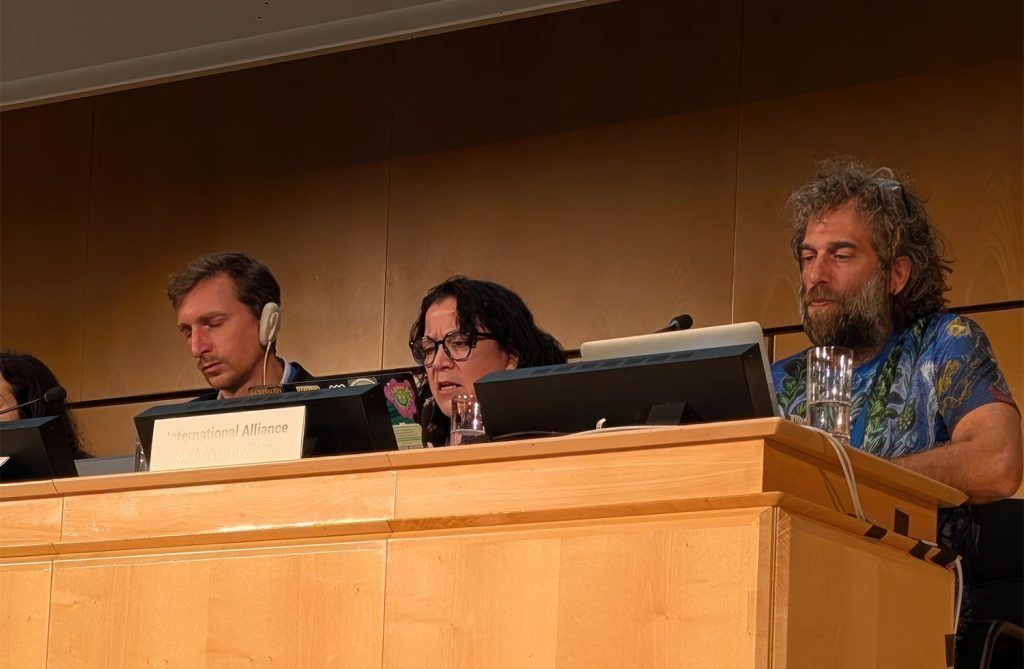
Geneva, August 4, 2025 — At the fifth session of the Intergovernmental Negotiating Committee (INC 5.2) on the Global Plastics Treaty, Soledad Mella, delegate of the International Alliance of Waste Pickers (IAWP) and president of the National Association of Waste Pickers of Chile, delivered a powerful statement at the panel “Perspectives from the World of Work, the Informal Sectors and Indigenous Peoples in the Effort to Tackle Plastic Pollution.”
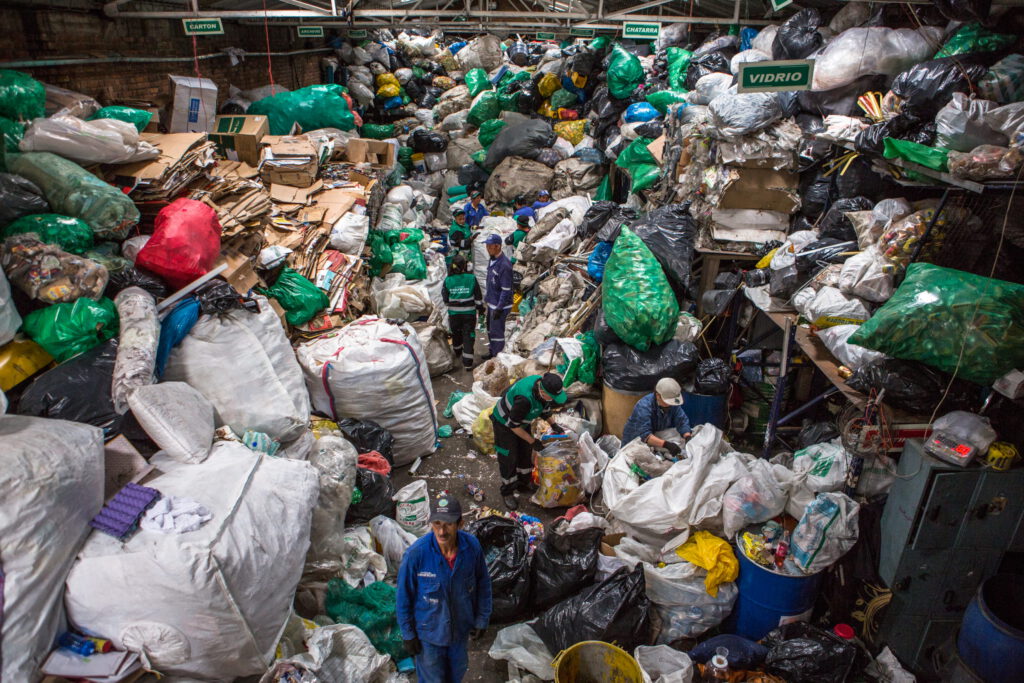
Speaking on behalf of more than 40 million waste pickers worldwide, Mella emphasized that grassroots recyclers have been the backbone of global recycling for decades — particularly in plastics — yet they remain largely invisible and excluded from policy frameworks.
“There can be no talk of a circular economy and sustainability without us. Waste pickers are key actors in the waste value chain,” Mella said. “That is why it is essential that the Plastics Treaty keep the article on a Just Transition — but it must be binding, not voluntary.”
Mella warned that policies such as Extended Producer Responsibility (EPR) can either strengthen or undermine waste pickers’ work. In many countries, she explained, EPR systems have been captured by powerful economic actors, sidelining those who have sustained recycling in precarious conditions for decades.
To avoid repeating these injustices, she urged that the Plastics Treaty include legally binding measures ensuring:
- Clear and explicit integration of waste pickers into national waste management systems,
- Monitoring and enforcement mechanisms with sanctions,
- Direct financing to grassroots waste pickers’ organizations,
- Fair payments for the tons of materials recovered and for their environmental services,
- Policies that safeguard livelihoods and respect labor rights.
Mella also called for the creation of a new, independent financial mechanism dedicated to Just Transition, with rules that guarantee direct access to grassroots waste pickers instead of relying on intermediaries or isolated projects.
Bringing her identity into the global debate, Mella declared:
“I am a Mapuche woman, granddaughter of a Mapuche grandmother, and I speak from that root. The struggle of workers is tied to the defense of territories, to the dignity of Indigenous Peoples, and to the recognition of our voices, our hands, and our history.”
She reminded delegates that waste pickers face not only plastic pollution, but also poverty, inequality, and lack of opportunities.
“We are on the frontlines of the triple crisis — climate, humanitarian, and ecological. What we demand is dignity, inclusion, and justice. A Just Transition without waste pickers is garbage. And a Just Transition without financing is simply unjust.”
Mella’s intervention was met with strong support from civil society allies present in Geneva. For the International Alliance of Waste Pickers, her voice underscored a core demand: that the Plastics Treaty not only recognize but mandate Just Transition as a condition for success.
Media Contact:
Nicolás Martínez
International Alliance of Waste Pickers (IAWP)
nicolas@wastepickersinternational.org
www.globalrec.org