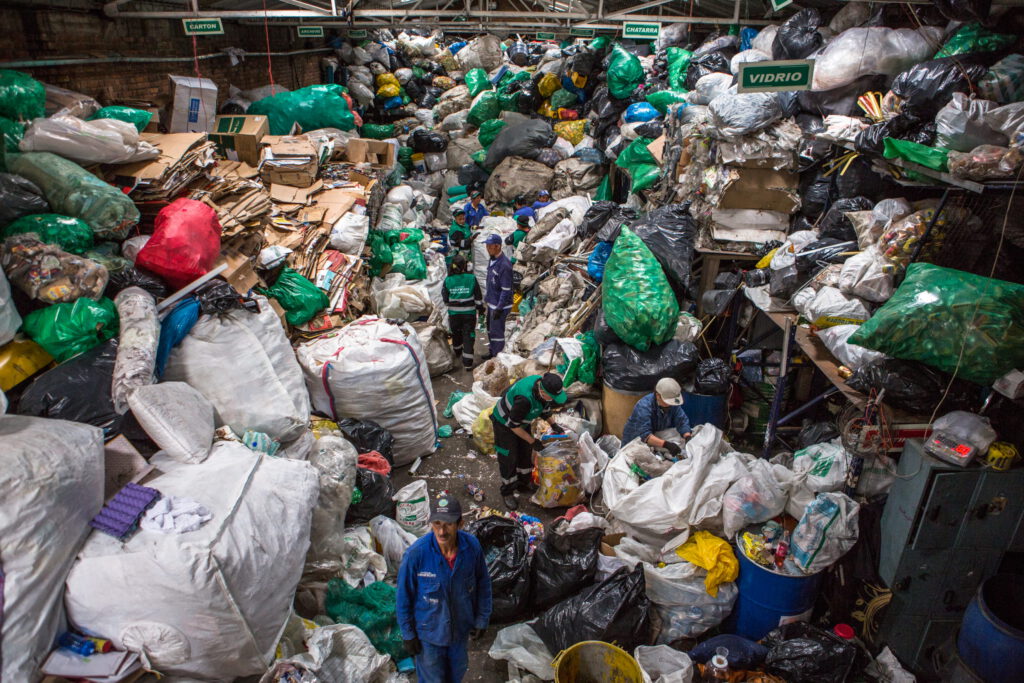
In August 2025, the International Alliance of Waste Pickers (IAWP) actively participated in the second part of the fifth session of the Intergovernmental Negotiating Committee (INC-5.2), a critical milestone in the development of the global treaty on plastic pollution. Representatives from across the globe brought the voices of millions of waste pickers to the negotiation table, advocating for the inclusion of a just transition framework, direct access to financing, and full recognition of their essential role in the circular economy. Our presence was a powerful demonstration of organization, solidarity, and commitment to a future free from plastic pollution.
Press Release: Waste Pickers at the table.

Waste Pickers at the Table: IAWP Delegates Head to INC-5.2 in Geneva
As negotiations for the Global Plastics Treaty begin at INC-5.2 in Geneva, the International Alliance of Waste Pickers (IAWP) proudly presents the delegates—waste picker leaders—who will represent grassroots recycling movements…
International Alliance of Waste Pickers: Response to Chair’s Text
This document outlines the International Alliance of Waste Pickers’ (IAWP) response to the Chair’s draft text presented on December 1, 2024, for the global plastics treaty. While acknowledging areas of progress, the IAWP raises critical concerns about the dilution of language in the article on just transition. We emphasize the importance of returning voluntary language back to mandatory commitments to protect the rights and livelihoods of affected workers, especially the more than 40 million waste pickers working globally. The document provides detailed, article-specific recommendations aimed at strengthening the treaty, ensuring financial mechanisms for a just transition, and securing formal recognition of waste pickers as key stakeholders in plastic waste management and pollution reduction efforts.
The plastics treaty finance mechanism
This policy paper, authored by IAWP and its partner Tearfund, outlines strategic recommendations for structuring the financial mechanism of the upcoming international plastics treaty. It highlights the importance of ensuring direct, equitable access to funding for waste pickers and other grassroots actors, who play a critical role in addressing plastic pollution. Drawing lessons from other Multilateral Environmental Agreements (MEAs)—such as the UNFCCC, CBD, BBNJ, and Minamata Convention—the paper emphasizes the value of establishing a new independent global fund with simplified application procedures, a focus on self-identified community needs, and mechanisms for private sector contributions.
Key technical recommendations include: prioritizing direct and predictable access; embedding accessibility into the treaty’s governance and reporting frameworks; and enabling the Conference of the Parties (COP) to create future funding streams, especially those that hold polluting industries financially accountable. The overarching goal is to design a mechanism that not only funds a just transition but empowers the very communities already leading effective solutions on the ground.
The plastics treaty finance mechanism
Lessons from other Multilateral Environmental Agreements regarding access for waste pickers and other grassroots groups Innovations for access in the finance mechanisms of other MEAs Key lessons for enabling access…
Press Conference
Press Release: Indigenous Peoples Caucus, Waste Pickers, and Unionized Workers Demand a Binding Plastics Treaty That Centers Justice, Rights, and Real Solutions
Geneva, 7 August 2025 — As negotiations advance at INC-5.2 for a Global Plastics Treaty, frontline groups representing Indigenous Peoples, waste pickers, and unionized workers across the plastics value chain…
Press Release
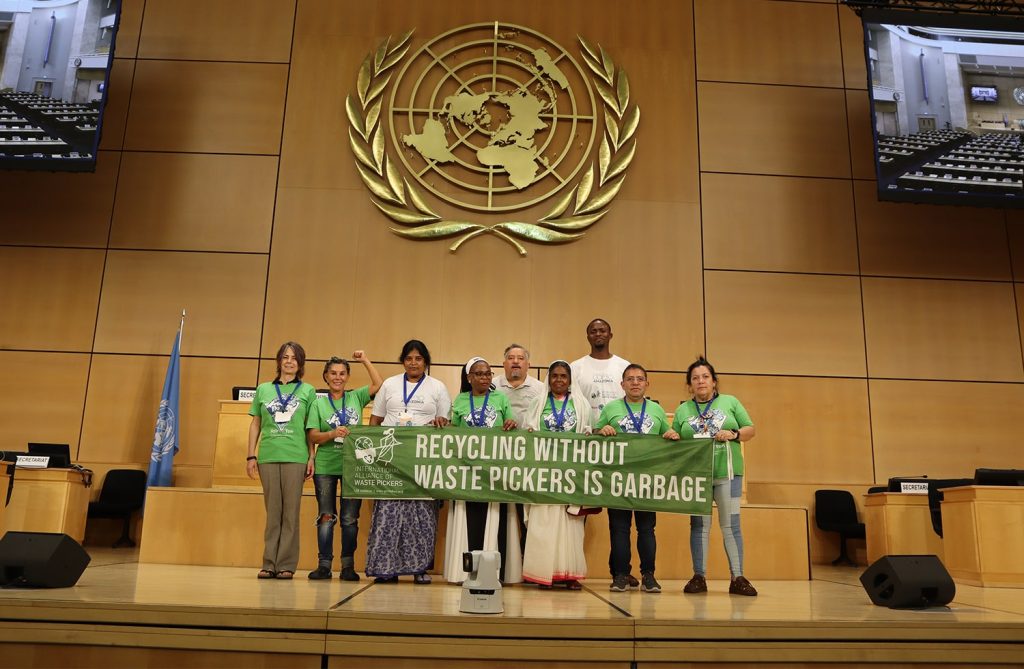
Waste Pickers Express Deep Disappointment Over Lack of Progress at INC5.2 Plastics Treaty Negotiations
Press Release Credits to: Nicolas Martinez (IAWP) The International Alliance of Waste Pickers expresses deep disappointment at the continued lack of agreement at INC5.2 of the Plastics Treaty negotiations. The…
Waste Pickers’ Voices at the UN Plastics Treaty
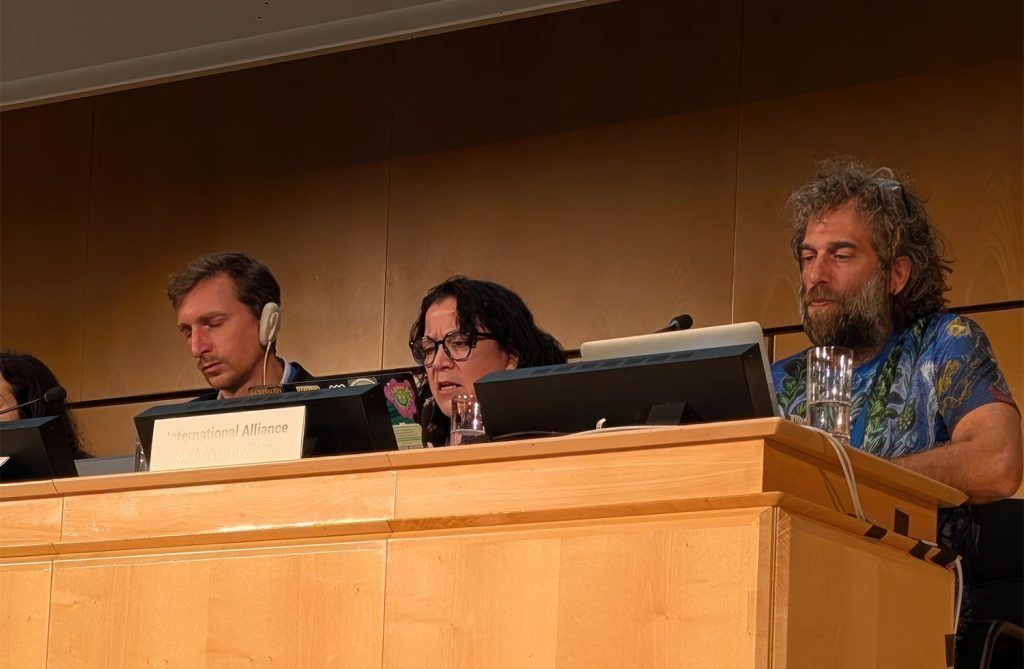
Waste Pickers’ Voices at the UN Plastics Treaty: Soledad Mella Calls for Binding Just Transition
Soledad Mella (Middle) speaking at the INC 5.2 UN Assembly. Geneva, August 4, 2025 — At the fifth session of the Intergovernmental Negotiating Committee (INC 5.2) on the Global Plastics…