Victories in the Policy Sphere
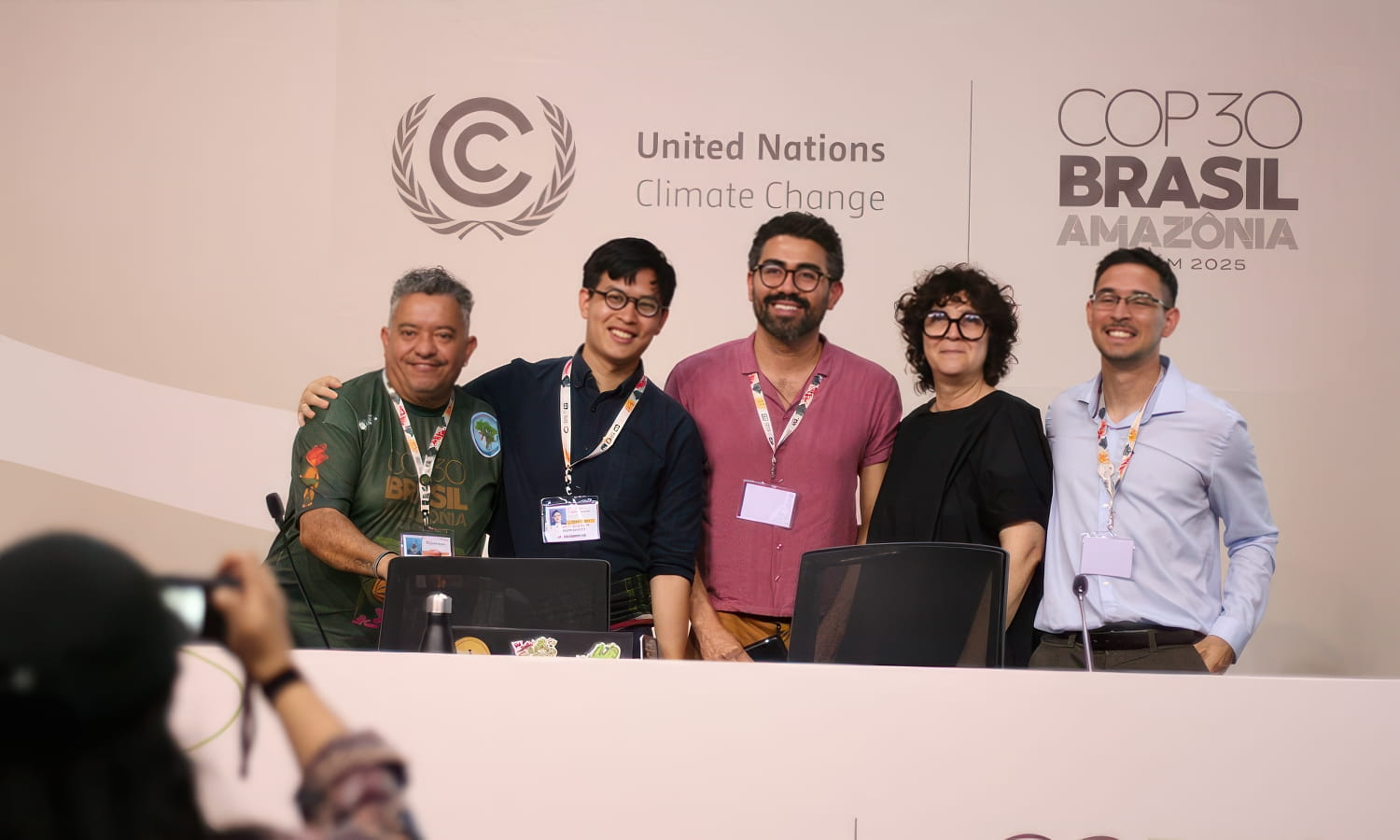
The Informal Economy Workers Movement scored a significant victory at the recently held United Nations Framework Convention on Climate Change (UNFCCC) Conference of the Parties 30 in Belém, Brazil, with workers finally gaining recognition in the COP decisions.
The COP 30 decision clearly states that countries need to establish a just transition mechanism, along with “ensuring broad and meaningful participation involving all relevant stakeholders, including workers affected by transitions, informal workers, people in vulnerable situations, Indigenous Peoples, local communities, migrants and internally displaced persons, people of African descent, women, children, youth, elderly people and persons with disabilities, to enable effective, inclusive and participatory just transition pathways…” This is not just language in a document—it is a political shift that places workers who are most impacted by climate change at the center of decision-making.
Building on this, the decision includes decent work and quality jobs as part of the transition. It includes reference to the “importance of education systems and skills development, including through upskilling and reskilling that respond to labour market needs, of labour rights and social protection systems, and of consideration of the informal sector, the care economy, unemployed people, and future workers for ensuring just transitions.” This directly responds to the reality that workers in informal employment face structural exclusion from the very protections that climate change now demands.
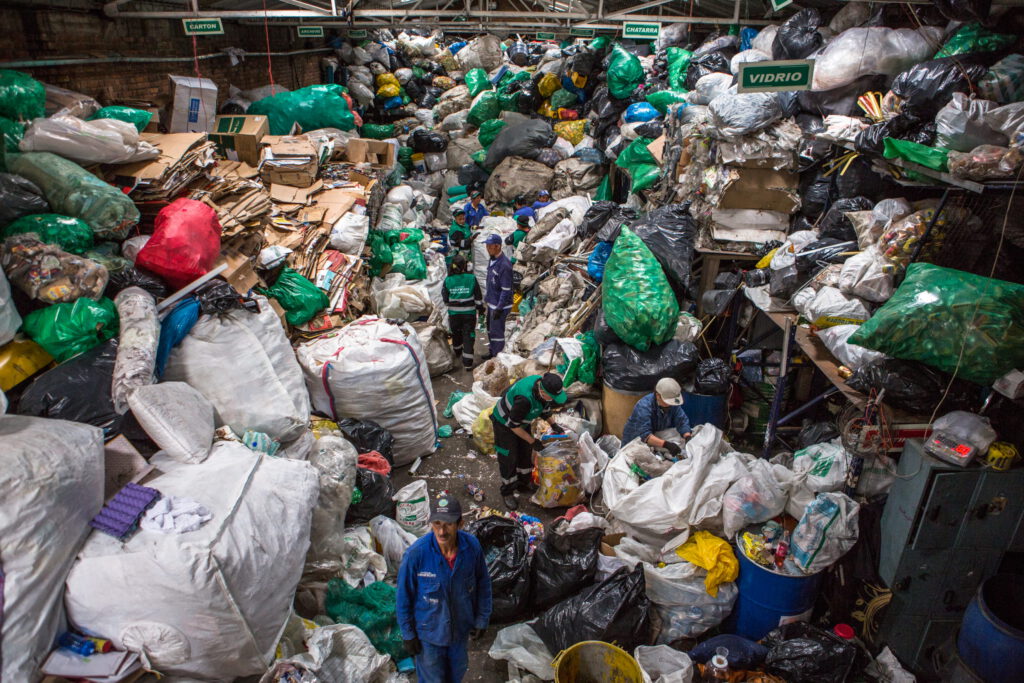
This recognition marks a great moment for our movement, and it would not have been possible without the collaboration of Indigenous Peoples, Trade Unions, and Civil Society Organizations, who assertively campaigned and advocated to make it possible. Workers in informal employment constitute the largest share of the world’s workforce—58%, or 2 billion people. The majority live and work in the global majority regions of Asia Pacific, Africa, Latin America & the Caribbean. At the same time, substantial numbers in Europe and North America continue to face similar vulnerabilities. Informal economy workers remain displaced from their traditional forms of employment by extreme weather events and are increasingly prone to heat stress, urban flooding, and workplace disruptions. Yet many of our occupations—especially waste picking and cycle rickshaw driving—also provide concrete climate solutions.
As waste pickers and members of informal economy workers’ movements and trade unions, we prefer using the term ‘informal economy workers’ or ‘workers in informal employment’ to refer to ourselves, and ‘informal economy’ to our domain of work. We assert that the term ‘informal worker’ is inappropriate, as we workers in the informal economy are human beings, and no human being is formal or informal. It is employment arrangements or economies that are informal. The terms “informal economy” and “informal economy workers” have already been institutionalized in the International Labour Organization (ILO) Recommendation 204 (2015). With our work finally recognized in climate policy, our next struggle will be ensuring the right terms appear in future negotiations and national climate plans.
Alongside this, we need to ensure that adequate financial mechanisms are agreed upon to operationalize Just Transition. The next phase of our advocacy, public campaigns, and mobilization will focus on pressing member states to provide sufficient resources through stable, predictable, and public financing to make Just Transition a reality rather than a rhetorical gesture.
Beyond Just Transition, the COP 30 decision on the Mitigation and Implementation Programme on Waste marks another milestone. It notes “The importance of waste reduction and management and the social dimensions of waste management, including formalizing the role of informal workers and recognizing their opportunities and challenges.” This explicitly corresponds to the work of waste pickers. The decision further underscores the importance of eradicating poverty and creating jobs in waste management. It seeks engagement with all stakeholders involved in reuse, recycling, waste collection, waste separation, and organic waste. Waste pickers are central to all these activities, and engaging with us will only strengthen climate mitigation implementation plans. We call on member states who agreed to this programme to engage us in preparing national plans for greenhouse gas reduction, including methane reduction.
Waste Pickers & COP 30
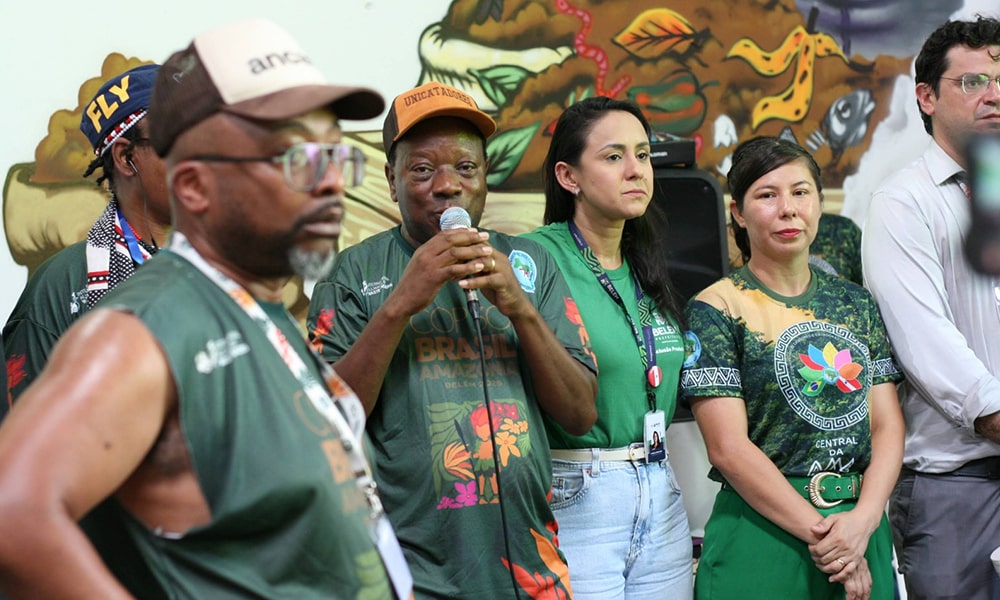
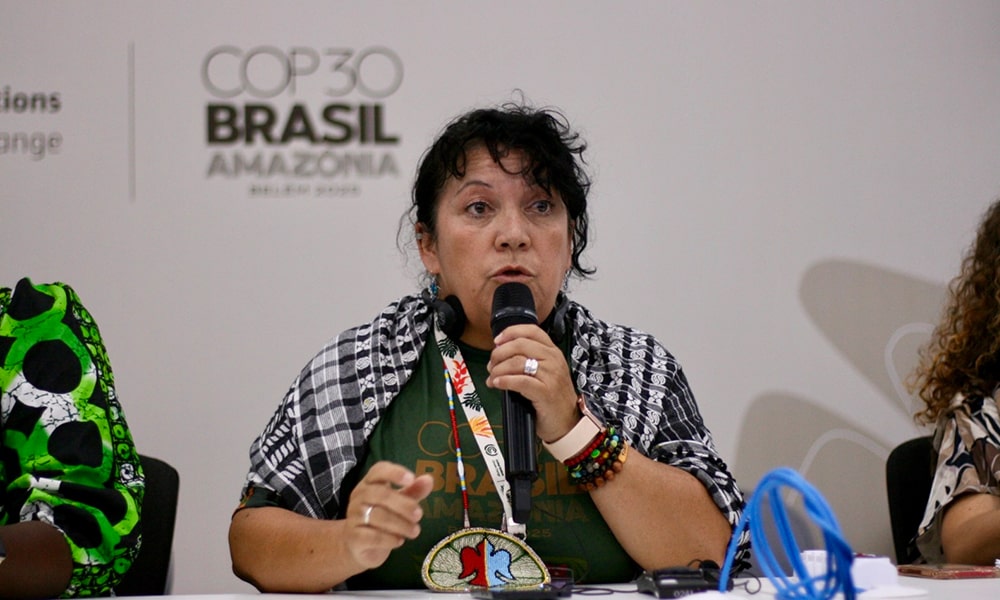
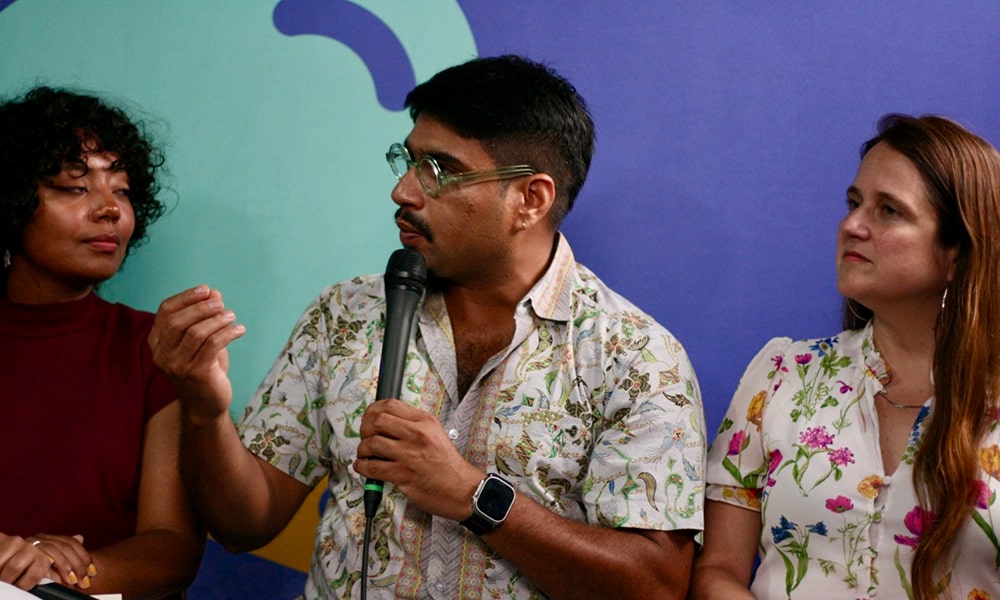
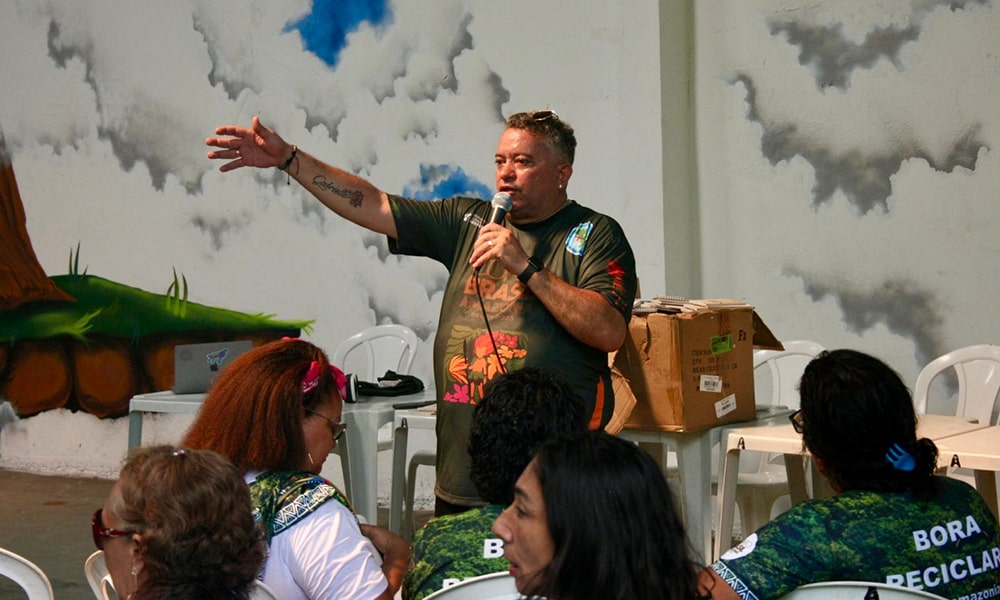
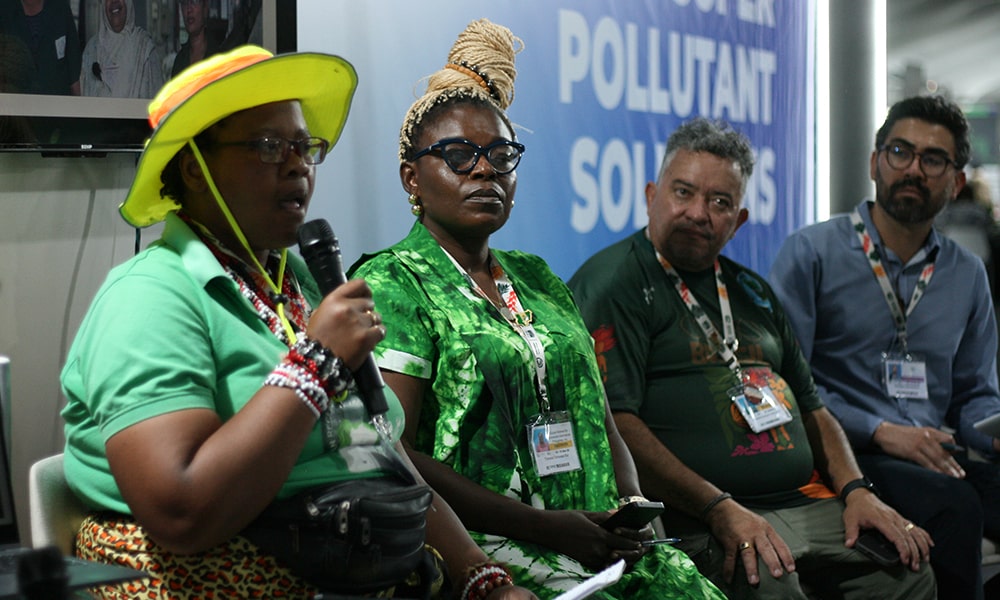
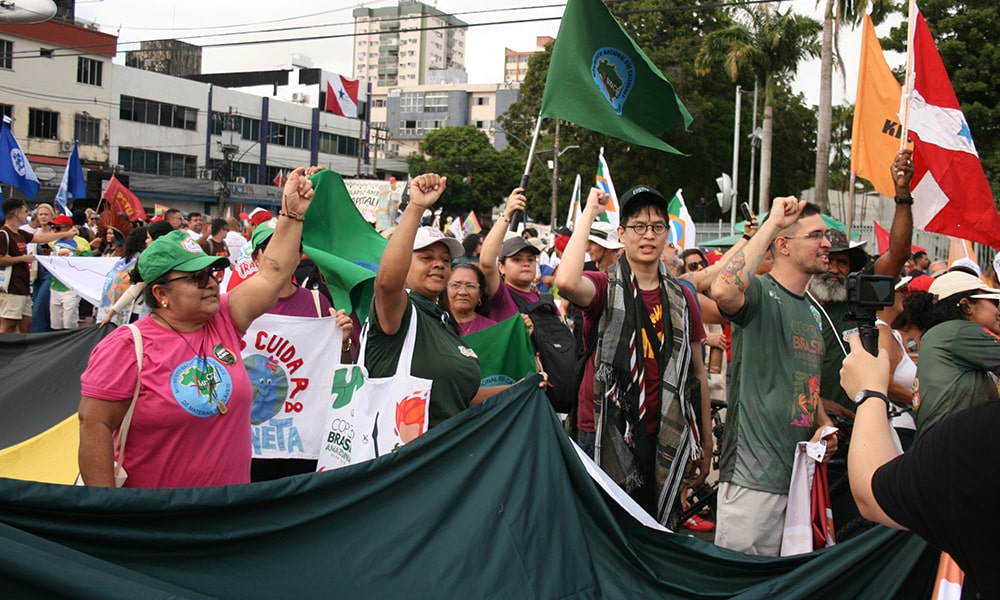
COP 30 was also special for waste pickers in more personal ways. It witnessed unprecedented participation by waste pickers in negotiation spaces, side events, public discussions, the People’s Climate Summit, Belem Climate March, and the Blue, Green, and Free Zones. Waste picker leaders from Brazil, Chile, Nigeria, South Africa, and Argentina spoke across panels on Just Transition, Zero Waste, Methane Reduction, Circularity of Plastics & Aluminium, Sustainable Businesses, Climate Finance, and many other topics.
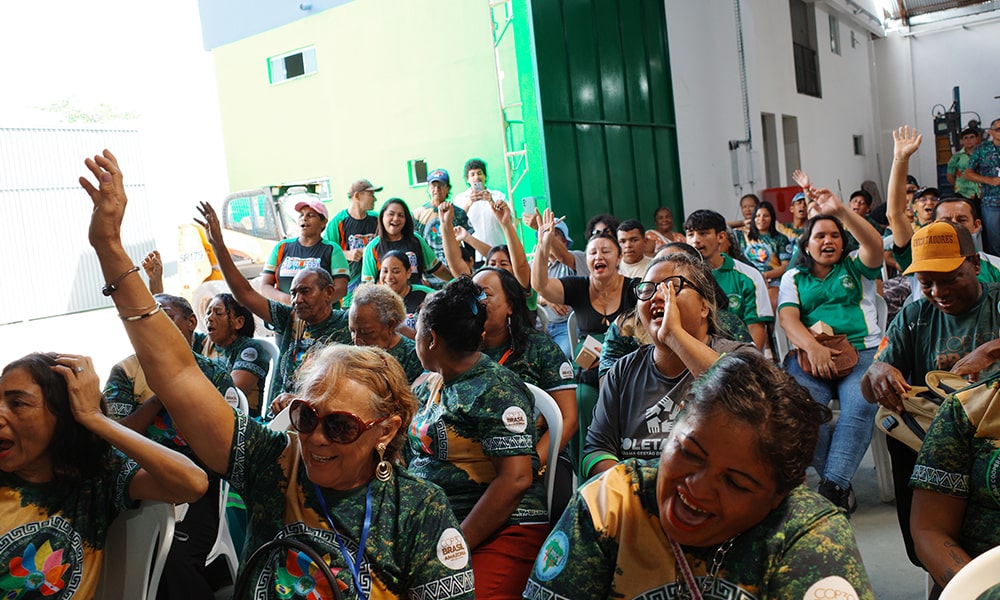
Just before COP 30, waste pickers’ cooperative CONCAVES in Belém inaugurated an organic waste management facility with participation from waste picker leaders from the Amazonia and Pará regions and across Brazil. During the COP, autonomous waste pickers and cooperative members recovered recyclables generated throughout the event, expanding livelihood opportunities and demonstrating our essential role in climate solutions.
As we reflect on these victories, we recognize the long pathway ahead for continued advocacy. We remain deeply grateful to the allies who supported us throughout this journey—the Government of Brazil, União Nacional dos Catadores e Catadoras de Materiais Recicláveis do Brasil (UNICATADORES), Movimento Nacional de Catadores de Materiais Recicláveis (MNCR), ANCAT, Global Alliance for Incineration Alternatives (GAIA), Women in Informal Employment: Globalizing & Organizing (WIEGO), Just Transition Alliance, International Trade Union Confederation (ITUC), and the Avina Foundation. Without their support, our participation—and these policy victories—would not have been possible.