Press Release
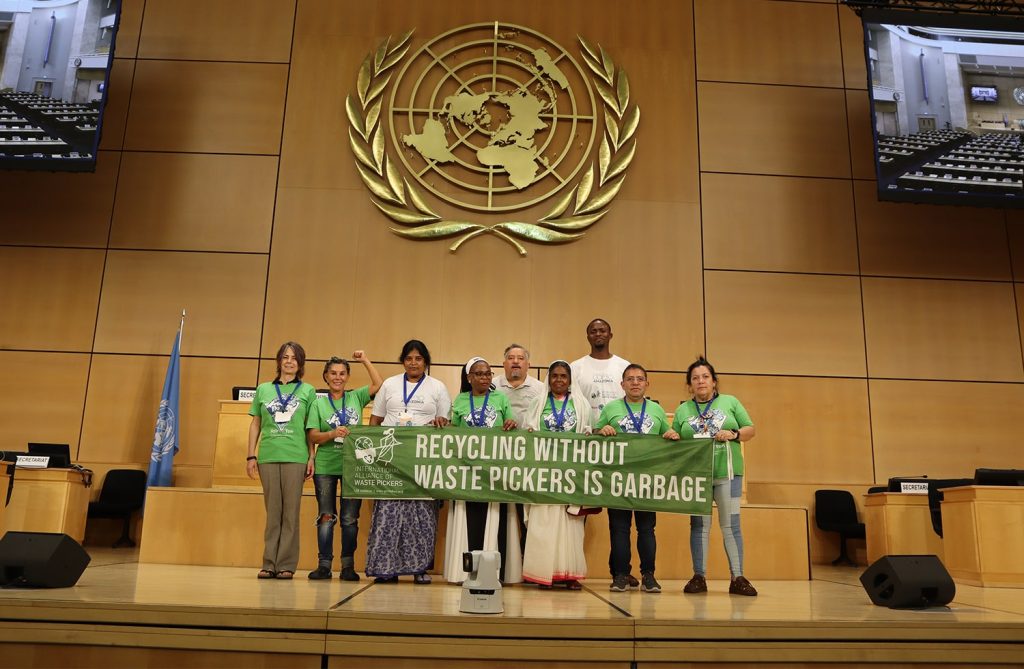
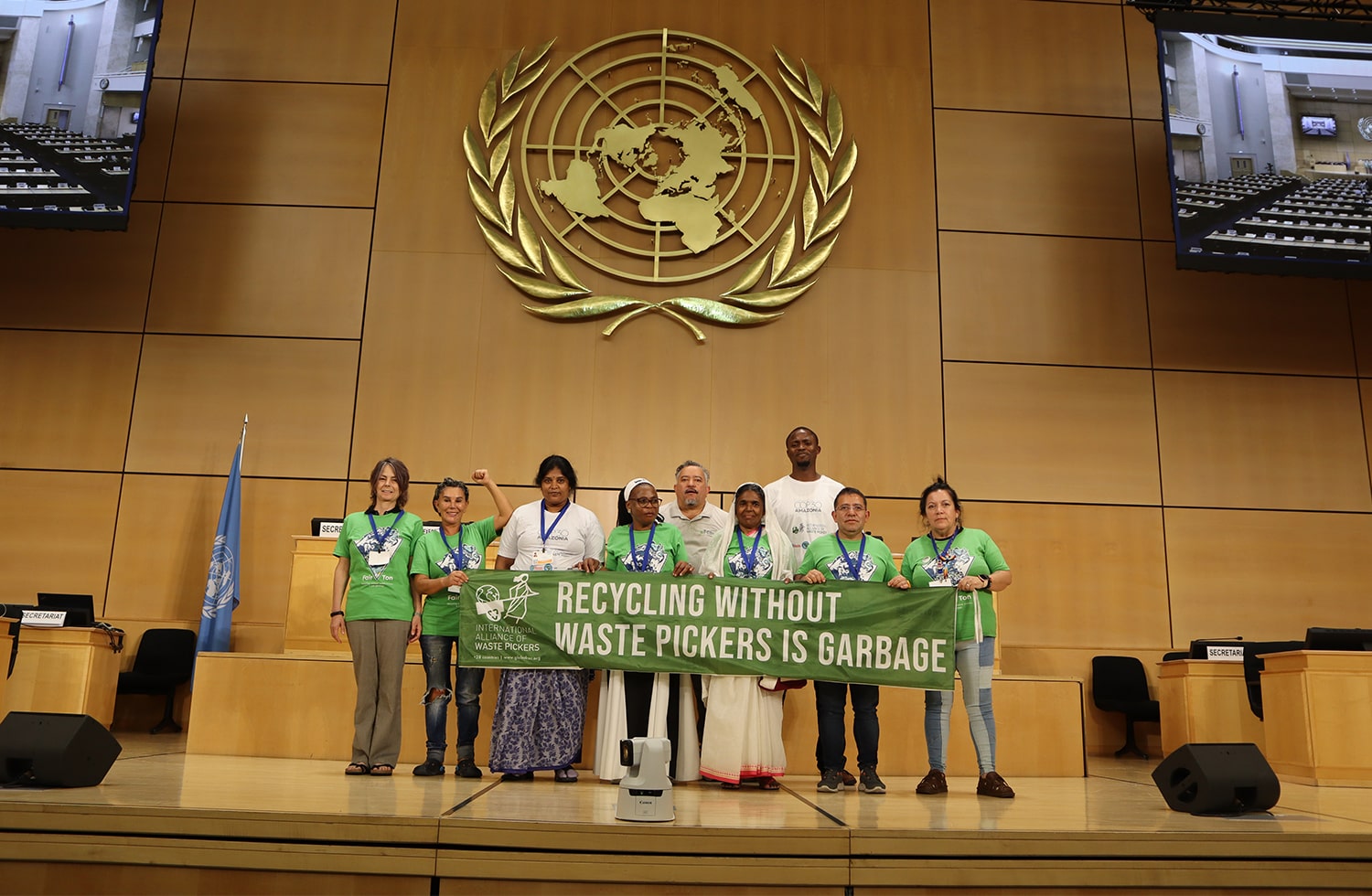
The International Alliance of Waste Pickers expresses deep disappointment at the continued lack of agreement at INC5.2 of the Plastics Treaty negotiations. The failure to arrive at a Plastics Treaty in Geneva this week is a major setback for waste pickers around the world, who still hold out hope of being recognized and protected in a multilateral environmental agreement. Given the consistent lack of consensus in the ongoing treaty process, it is difficult to see a way forward under the same approach. We call on member states to take leadership in fixing the process.
As workers central to the prevention of plastic pollution but vulnerable to the impacts of both its solutions and its persistence — and as residents of communities most affected by plastic pollution — we demand an urgent and thoughtful response to this growing crisis. We do not have more time to lose. Waste pickers face disproportionate burdens from plastic pollution, and now the responsibility lies with member states to fix this process and deliver a treaty that respects and protects affected workers like us.
While we would have celebrated the historic references to waste pickers in the current draft, we remain deeply concerned by its voluntary nature. The article on just transition is appreciated in principle, but without a mandatory provision, it would be unenforceable. At least 114 member states expressed support this week for making just transition binding — something we will continue to fight for.
For the International Alliance of Waste Pickers, the term “waste pickers” accurately reflects our work, dignity, identity, and struggle for recognition as legitimate workers. This language acknowledges our historical disadvantages and vulnerabilities while framing waste as a source of livelihood rather than something negative. Many waste pickers around the world are Indigenous, and we stand firmly for the re-inclusion of Indigenous Peoples in the operational parts of the treaty text.
Our concerns extend to the scale of plastic production. We support plastics production caps and reject the appropriation of our names and labor to justify continued overproduction. The growing flood of low- and no-value plastics in the market undermines our livelihoods. The health impacts from exposure to plastic pollution in our communities and workplaces threaten not just our work, but our lives.
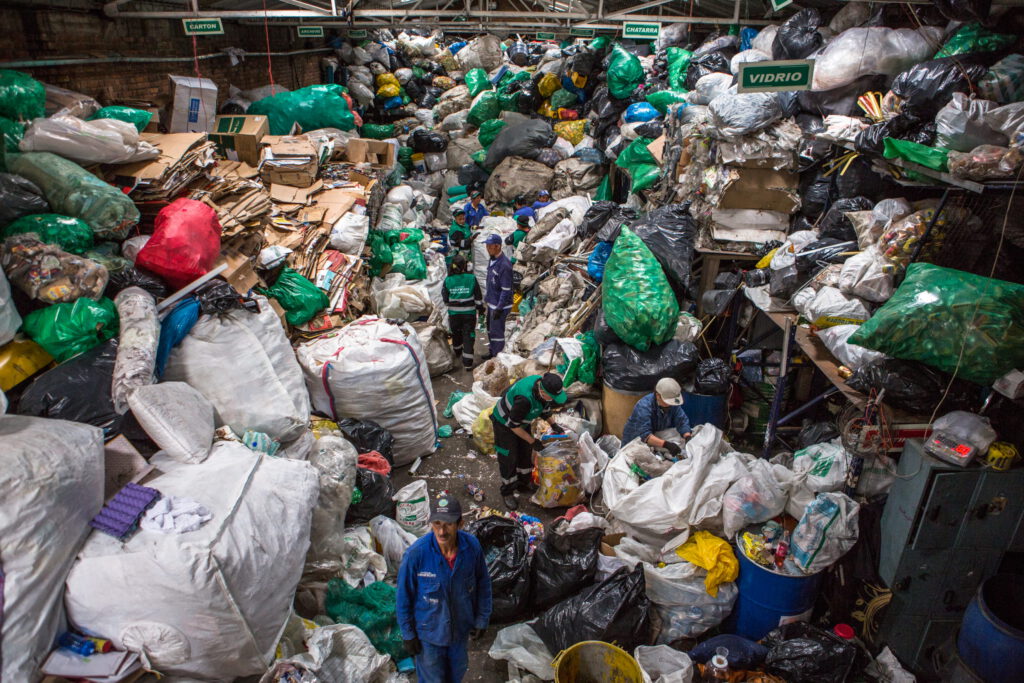
Waste pickers are present in every country and on every continent. Wherever socio-economic inequalities are deepened by climate change and conflict, waste pickers can be found. Our work strengthens recycling, reuse, and both environmental and human health. It is therefore a categorical imperative for every member state to recognize the work of waste pickers and ensure that 40 million waste pickers worldwide have a living income, safe and secure livelihoods, and opportunities in reuse and other circular economies.
We contribute to recycling and reuse — not only through the recovery of plastics but also by collecting and selling second-hand goods, processing reusable bottles and dishware, and upcycling all kinds of materials. A just transition means investing in our current and future role in both recycling and reuse, ensuring we are not left behind as a more circular economy takes shape.
Waste pickers are among the stakeholders with the most to lose if the world fails to agree on a plastics treaty. Under today’s disposable economy, 58% of waste pickers’ income comes from plastics recovery. In the absence of globally binding measures to guarantee a just transition, we call on member states at the national level to engage us meaningfully in decision-making, to influence and implement policies that improve and protect our work, and to contract our organizations to provide waste collection, recycling, and reuse services — particularly in underserved and often polluted communities where most of us live.
Media Contacts:
Nicolás Martínez Gomez
International Alliance of Waste Pickers (IAWP)
nicolas@wastepickersinternational.org
www.globalrec.org