
by Safai Sena
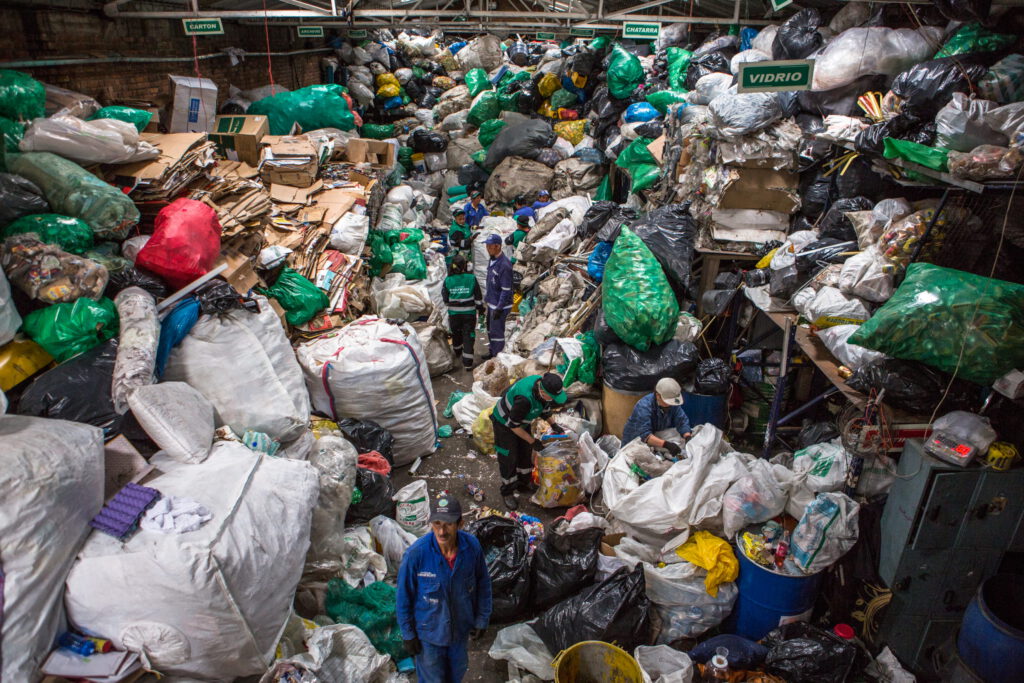
Picking trash is a narrow window of economic opportunity that provides a meager income for Manwara Begum and her family. An opportunity to make ends meet, an opportunity of giving her children a better and more secure future. Manwara, a waste picker, has been in Delhi since her childhood. She chose this work to add to the income of her husband, who is also a waste picker. Recently, Manwara’s dream turned ugly when her innocent children were blamed for a theft that happened in a nearby area. She was unaware that her being waste picker would make her so vulnerable to being accused, harassed, and violently abused.
Manwara Begum collects waste from households and through her work, she keeps the city clean, providing an indispensable environmental and public health service. Manwara and her husband are members of Safai Sena, a registered association of waste pickers and small waste traders.
The ordeal began on July 19, 2013 when Manwara Begum’s younger son, Naseem, aged 10, went to play near a community centre in his area with a bunch of his friends. There, he was accosted by some locals attending a religious ceremony who accused him of stealing an envelope containing money. The locals badly thrashed the child and tortured him with live electric wires at the community centre. His elder brother Waseem, aged 14, came looking for his younger brother and he too was dragged and assaulted by the locals. The nearest police station was immediately informed by the locals about the incident and the officers on duty were expected to intervene to stop the heinous act. Instead, they showed their inhuman and unlawful side by being mere spectators to the atrocious act. Later the same evening, Manwara’s husband and children were taken to the police station where the officers took the children to a separate room. The children were abused and kicked brutally. When Manwara tried to intervene, they slapped her.
A helpless and frustrated Manwara then approached Chintan and Safai Sena who advised her to file a First Information Report (FIR) as a first step. An FIR is a written document prepared by police when they receive information about the commission of a cognizable offense. Her letter was accepted by the police, but yet again, they accused her of being a thief, and told her that the FIR would be filed only after the matter had been investigated. A few days later, the police took Manwara and her children to a hospital for a medical examination. At the hospital, the police kept talking to the doctor quietly to possibly tamper with the report.
Meanwhile, Manwara’s children were sent to the Juvenile Justice Board. At the first meeting, the children were unable to speak for themselves because the police had threatened to murder their family if they opened their mouths in front of the judge. Since then, the police started to threaten them by visiting their house and harassing them. But the children have now become much more confident and have been able to tell the truth at subsequent meetings with the Board.
The incident has left Manwara in a state of anger and helplessness. She says that even though she belongs to one of the lowest rungs of Indian society, this should not mean that different principles of justice should not apply to her. To seek justice that is her due, Safai Sena wrote letters to the Dr. Kiran Walia, Honourable Minister for Health and Family Welfare, Women and Child Department, Government of the National Capital Territory of Delhi, and Ms. Barkha Singh, Chairperson of the Delhi Commission for Women.
In addition to writing the letters, Safai Sena members accompanied Manwara and her husband to demand an audience with Ms. Barkha Singh on July 26, 2013. She accepted the complaint and confirmed that strict action will be taken against all the duty officers if found guilty. All police officers involved in this case will be summoned to the Commission in the following 15 days to investigate this matter. In addition, on the same day, Safai Sena members went to the Special Police Unit meeting and put the matter in front of Joint Commissioner of Police, Delhi Police Women’s Cell. The office also reaffirmed to Manwara that strict action would be taken against the people involved in this case.
The incident has been traumatic and taxing for Manwara and her family. But she has accepted that she will need to become more vigilant in future and now has the confidence to raise her voice for injustice. Regardless of these mildly positive outcomes, the incident is unacceptable and a complete violation of the rights of the poor who serve the city through waste collection and waste recycling. We all should hope that justice is rendered to her and her family and that the voices of millions of women across the world continue to be strengthened.